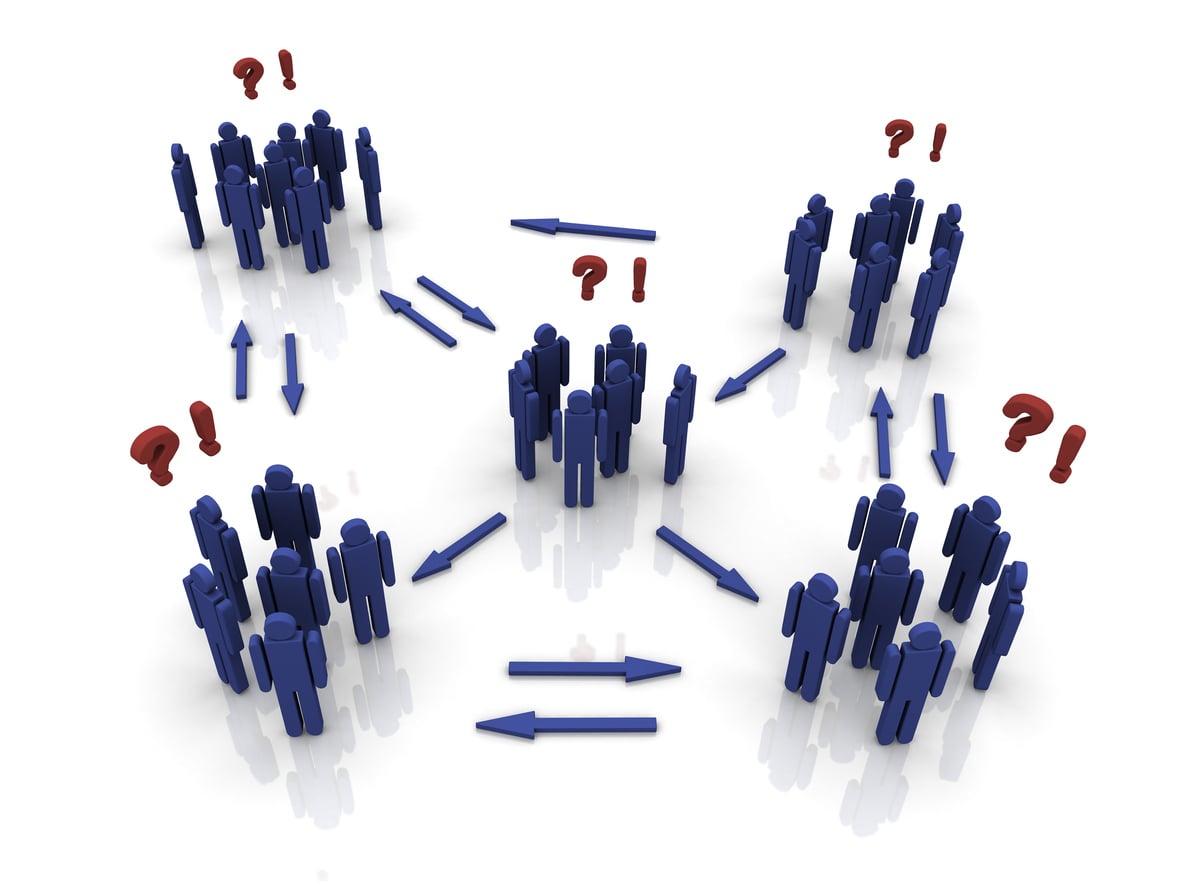

Most companies do not fail because of competition.
Most companies fail because they drift.
Not all at once.
Not dramatically.
Not in a way that makes headlines.
They drift.
Slowly.
Quietly.
Almost invisibly.
Until one day the founder / CEO looks around and realizes they are running a different company than the one they intended to build.
That is Organizational Drift™.
The gradual divergence between intended design and actual execution.
The gap between what leaders say and what people do.
The gap between strategy and execution.
The gap between culture and behavior.
The gap between the team you need and the team you have.
Every organization drifts.
Every single one.
Drift is not a sign of poor leadership.
Drift is the natural state of organizations.
The question is not whether your company is drifting.
The question is whether you can see it.
The Enemy Nobody Talks About
Most founder / CEOs spend their careers fighting the wrong enemy.
They blame the economy.
Competition.
Interest rates.
Technology.
The labor market.
Supply chains.
Tariffs.
The latest crisis.
Meanwhile, the real enemy is operating inside the building.
Drift.
Because drift compounds.
Small compromises become accepted standards.
Accepted standards become culture.
Culture becomes identity.
And eventually people forget what excellence looked like in the first place.
The company adapts to underperformance.
The organization normalizes mediocrity.
The drift becomes invisible.
That is when it becomes dangerous.

Drift Does Not Arrive As Failure
This is what makes drift so deceptive.
It rarely shows up during struggle.
It usually shows up during success.
Revenue grows.
Headcount expands.
Customers keep buying.
The founder becomes busier than ever.
Everything appears fine.
Until the symptoms start appearing.
Meetings multiply but decisions slow down.
Accountability becomes optional.
Priorities become unclear.
The founder becomes the bottleneck.
The executive team stops challenging each other.
A-Players leave.
B-Players stay.
Politics begins replacing performance.
The organization gets heavier.
Slower.
More complicated.
Not because somebody intended it.
Because nobody stopped it.
Let Me Tell You What Drift Looks Like
Drift looks like the executive everyone knows should not be in the role.
Drift looks like the meeting everybody attends and nobody values.
Drift looks like the strategic plan nobody can find.
Drift looks like the company values nobody can recite.
Drift looks like annual priorities that quietly disappear by March.
Drift looks like departments optimizing themselves while damaging the enterprise.
Drift looks like accountability systems that only exist on paper.
Drift looks like a founder carrying decisions that should have been delegated years ago.
Drift looks like saying one thing and rewarding another.
Drift looks like tolerating behavior you claim to oppose.
Drift looks like silence.
Drift looks like excuses.
Drift looks like leaders lowering the standard because confronting reality feels uncomfortable.

Drift Is Evidence
Most leaders think drift is the problem.
It is not.
Drift is evidence.
Evidence that leadership design has broken down.
Evidence that clarity has eroded.
Evidence that accountability has weakened.
Evidence that the operating system is no longer producing the outcomes it was designed to produce.
When leaders see drift, they often respond with motivation.
More speeches.
More initiatives.
More town halls.
More leadership books.
More strategic plans.
The problem is rarely motivation.
The problem is design.
Organizations are perfectly designed to produce the results they currently produce.
If the results are unacceptable, the design must change.
The Leadership Reckoning
There are a handful of questions every founder should ask.
Would I enthusiastically rehire every member of my leadership team?
Do we have documented processes that are actually being followed?
Can every leader clearly articulate our purpose, values, long-term vision, annual priorities, and quarterly priorities?
Do our meetings create clarity or consume time?
Are people accountable for outcomes or merely activity?
If the answers make you uncomfortable, good.
Discomfort is data.
The best leaders do not avoid reality.
They confront it.
They diagnose it.
They redesign it.
Leadership Is Not Inspiration
Leadership is not charisma.
Leadership is not motivation.
Leadership is not vision alone.
Leadership is the discipline of continuously identifying and eliminating drift.
That is the work.
Not once a year.
Not during planning season.
Every week.
Every quarter.
Every year.
Forever.
Because drift never stops.
The moment leaders stop paying attention, drift begins again.

Drift Discipline™
This is why Drift Discipline™ matters.
Not as a slogan.
Not as a consulting methodology.
As a leadership discipline.
A way of seeing.
A way of operating.
A way of identifying divergence before it becomes decline.
Drift Discipline™ is the ongoing practice of aligning:
People.
Priorities.
Processes.
Meetings.
Metrics.
Accountability.
Culture.
Execution.
The objective is not perfection.
The objective is alignment.
Because aligned organizations move faster.
Aligned organizations make better decisions.
Aligned organizations attract stronger talent.
Aligned organizations scale.
Build What Talent Chases™
The best talent does not chase compensation.
The best talent chases clarity.
They chase accountability.
They chase high standards.
They chase winning teams.
They chase environments where excellence is expected.
That means founder/CEOs have a choice.
Build an organization that repels top performers.
Or build one that attracts them.
The difference is rarely compensation.
The difference is design.
The difference is discipline.
The difference is drift.
The Final Truth
Every company drifts.
Every culture drifts.
Every leadership team drifts.
Every strategy drifts.
Every meeting rhythm drifts.
Every accountability system drifts.
Drift is inevitable.
Decline is not.
The founder who recognizes drift early has a chance to correct it.
The founder who ignores drift eventually becomes a victim of it.
The future of your company will not be determined by the market alone.
It will be determined by what you are willing to tolerate.
Leaders allow drift.
Leaders stop drift.
Choose carefully.